
Shri S.M Shah Law College
Avni Seeds Vidhya Sankul Nagalpur Highway Mahesana-384002


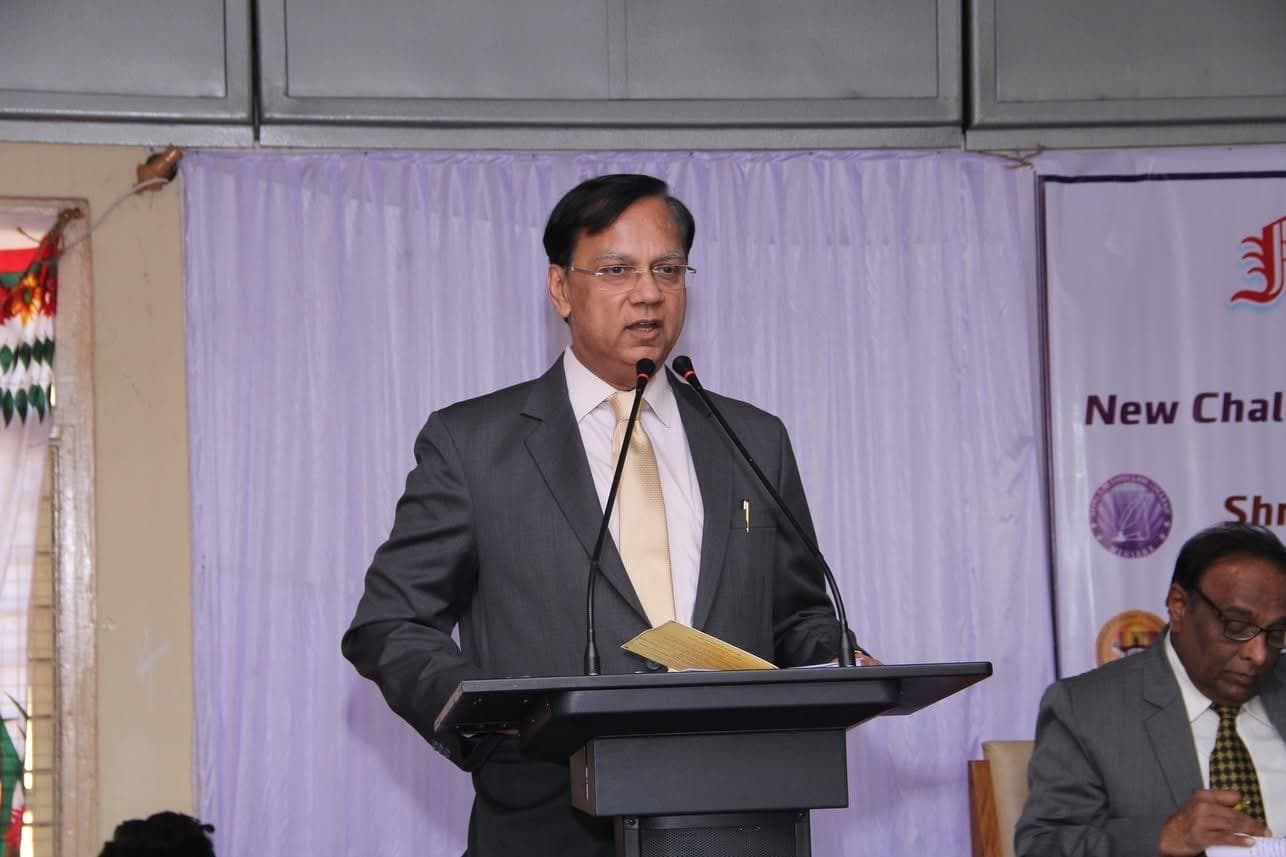
Legal education in India is crucial for creating a just society by equipping students with legal knowledge and fostering law-abiding citizens. Its objectives have evolved from solely training lawyers for courts to preparing graduates for diverse roles like policymakers and administrators, with a growing emphasis on social responsibility and practical skills. Indian legal education has roots in the British system but is adapting to modern global challenges by expanding its curriculum, promoting critical thinking, and integrating theoretical and practical learning to meet the demands of the legal profession and a complex society.
Our legal education system is designed to provide comprehensive training in law, ethics, and professional practice.
Well-structured curriculum covering all aspects of legal education from fundamentals to advanced topics.
Hands-on experience through moot courts, internships, and real-world case studies.
Focus on developing advocacy skills, legal research, and professional ethics.
Strong emphasis on legal ethics, social justice, and professional responsibility.
Legal education opens doors to diverse career paths in the legal profession.
Practice in courts as advocates, representing clients in various legal matters.
Work with corporations on legal matters, contracts, and compliance issues.
Conduct research for law firms, courts, or academic institutions.
Serve in government legal departments, public prosecutors, or judges.